Categories
How Does a Washing Machine Operate?
Washing machines significantly simplify household chores, particularly for large families with substantial laundry loads. Although using a washing machine appears far more straightforward than hand-washing, the appliance operates through a sophisticated internal mechanism. Discover more about how a washing machine functions and explore its features!
Feb 25th,2025
513 Views
Washing machines significantly simplify household chores, particularly for large families with substantial laundry loads. Although using a washing machine appears far more straightforward than hand-washing, the appliance operates through a sophisticated internal mechanism. Discover more about how a washing machine functions and explore its features!
Understanding the Parts of a Washing Machine
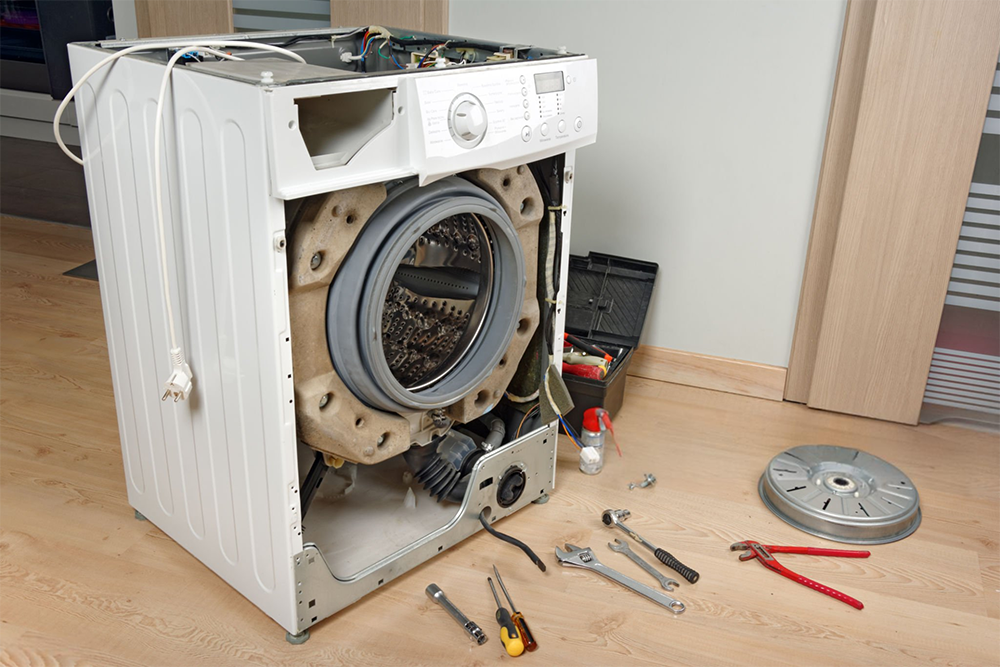
The concept behind a washing machine is simple: it agitates clothes in soapy water to remove dirt and stains, then spins to drain the water after the cycle. While the main component is the drum that fills with water, did you know washing machines actually have two drums? Here’s a breakdown of the key parts:
· Inner Drum: This is where you load your clothes. It rotates during the wash cycle and features small holes to allow water to flow in and out, cleaning the clothes effectively.
· Paddles: Located along the edges of the drum, these ridges help move the clothes around during the wash cycle.
· Agitator: Commonly found in top-load machines, this central paddle rotates to stir clothes in the soapy water.
· Outer Drum: Hidden from view, this drum holds water while the inner drum or agitator rotates. It’s completely watertight to prevent leaks.
· Thermostat and Heating Element: These components regulate and heat the water to the desired temperature.
· Pump: Responsible for draining water from the drum after the wash cycle.
· Programmer: Controls the machine’s operations, from washing and rinsing to spin drying.
· Pipes and Valves: Manage the flow of water into and out of the machine.
Together, these parts work seamlessly to make laundry tasks efficient and hassle-free.
Programs and Their Importance
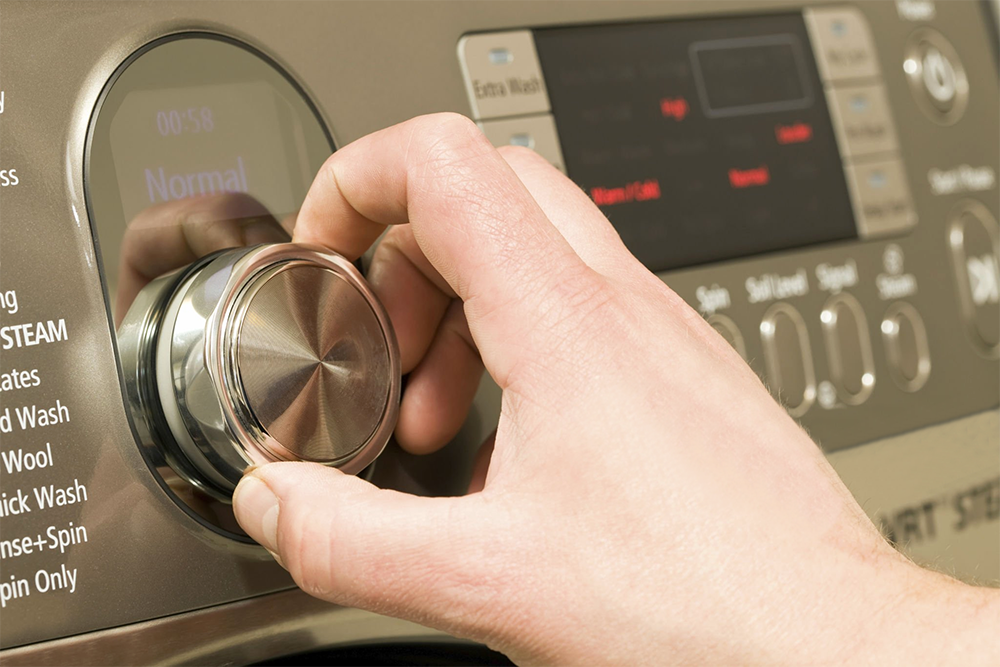
Programs, like delicate wash, color wash, or pre-soak, are key features of washing machines, especially fully-automatic models. They offer flexibility in how you wash your clothes, catering to specific needs such as fabric type or desired water temperature. These programs help you achieve the best washing conditions by allowing you to adjust settings like temperature and cycle duration, ensuring your laundry is cleaned effectively and safely.
Semi-Automatic vs. Fully-Automatic Washing Machines
When choosing a washing machine, the decision often comes down to your specific needs, budget, and convenience preferences. A fully-automatic washing machine, as the name suggests, handles the entire washing process automatically with just the push of a button. On the other hand, a semi-automatic machine, while more advanced than hand washing, may require manual intervention, such as transferring wet clothes to a spin dryer. Your choice depends on the level of automation you desire and how much effort you’re willing to put into the laundry process.
Front Load vs. Top Load Washing Machines
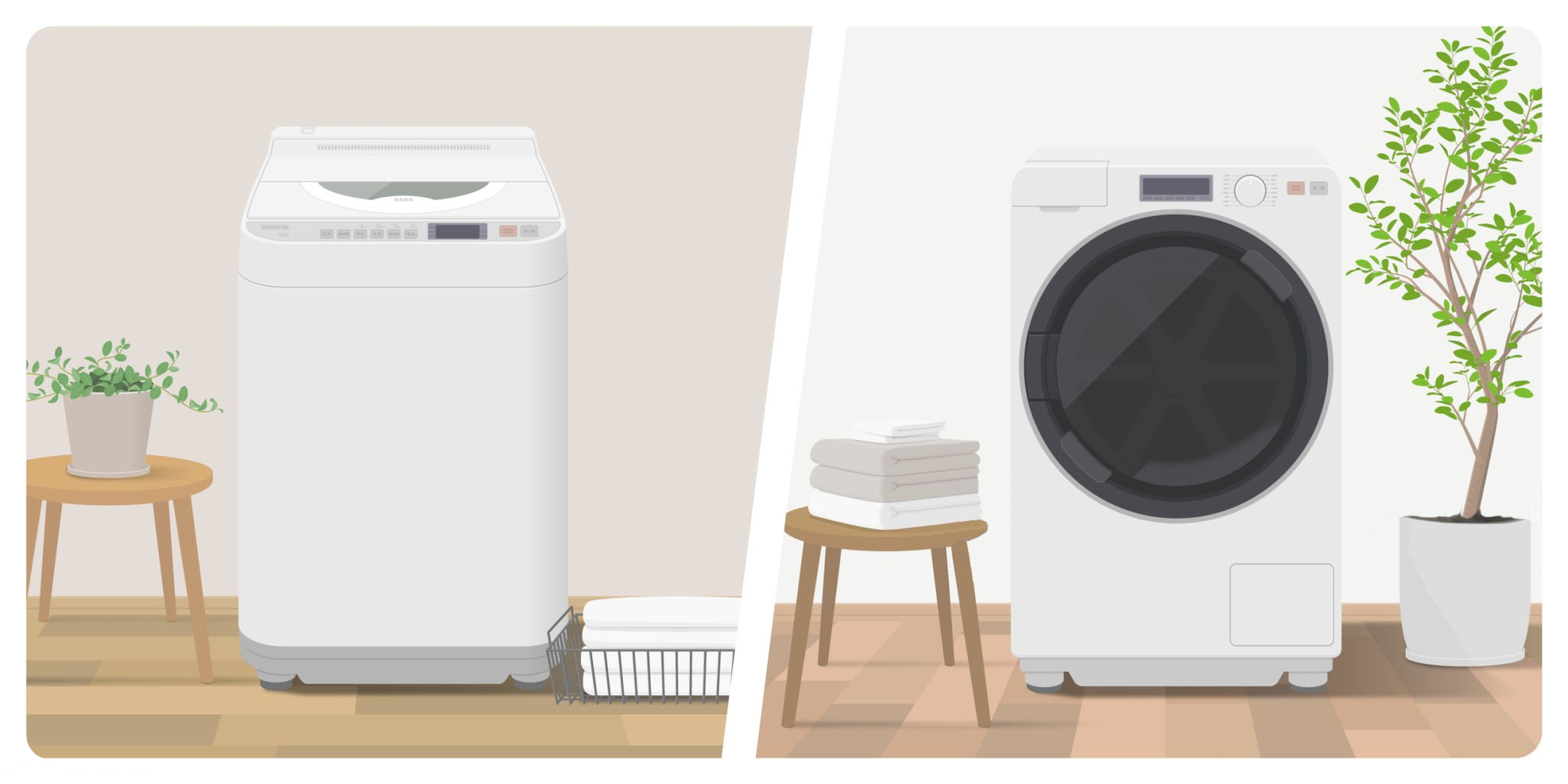
When it comes to fully-automatic washing machines, there are two main types: top load and front load. A top load machine opens from the top, while a front load machine opens from the side. Each type comes with its own set of features, advantages, and disadvantages, making it important to choose the one that best suits your needs and preferences.
How to Install a Washing Machine
While it’s recommended to hire a plumber for installation, the first step is deciding where to place your washing machine. Consider the machine’s dimensions and plumbing requirements, particularly since fully-automatic models require a continuous water supply. Once positioned, connect and set up the machine, ensuring all electrical connections and pipes are secure before powering it on.
How to Use a Washing Machine
Every washing machine operates differently, whether it’s a fully-automatic (top load or front load) or a semi-automatic model. One key factor is the detergent you use. A common question is whether handwashing powder can be used in a washing machine. The answer is no—handwashing powder produces excessive suds, leading to poor laundry results and potentially damaging the machine’s performance.
Choose reliable washing machine controllers at elecontro®
With more than twenty years of expertise in home appliance control, elecontro® is a professional manufacturer of washing machine controls that perfectly meet your individual requirements and preferences. elecontro®'s dynamic team of visionary engineers and designers continue to push the boundaries of home appliance control technology, ensuring we remain at the forefront of innovation.