Categories
Understanding a Washing Machine – How It Works
A washing machine is a really convenient appliance. They not only make your work easy, but it also saves you a ton of time and effort in washing clothes. Their effectiveness can be subjective, with some washing machines being considerably better than other ones.
Let us look at everything there is to know about the functioning of a washing machine. In short, everything about how washing machine works.
Jan 17th,2025
564 Views
A washing machine is a really convenient appliance. They not only make your work easy, but it also saves you a ton of time and effort in washing clothes. Their effectiveness can be subjective, with some washing machines being considerably better than other ones.Let us look at everything there is to know about the functioning of a washing machine. In short, everything about how washing machine works.
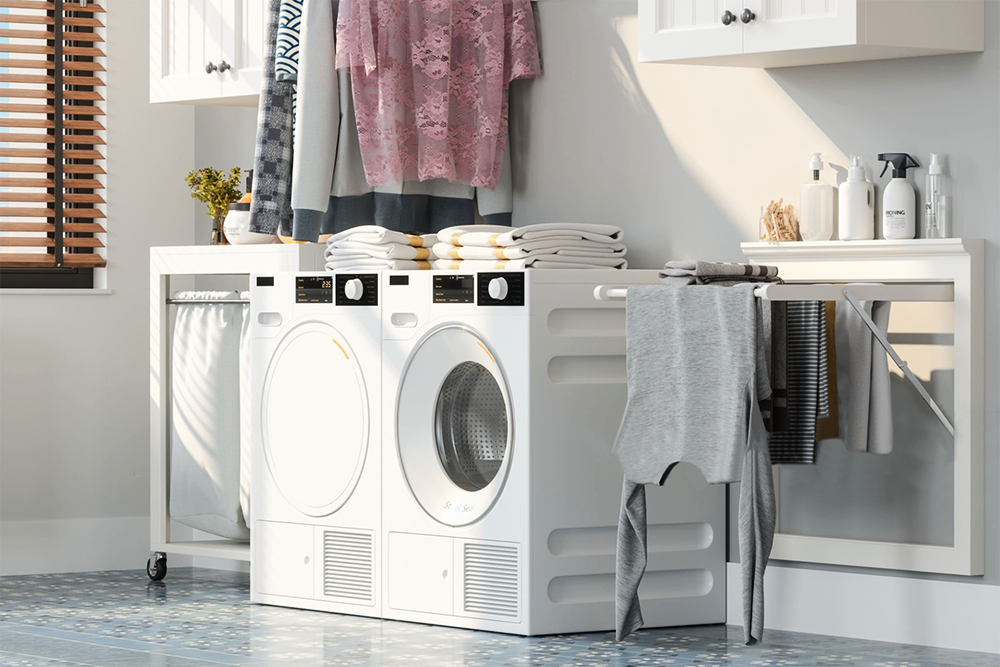
How a Washing Machine Works
A washing machine is a sophisticated device composed of various parts that collaborate to clean your clothing. At its core is the agitator, a substantial impeller that churns water and detergent to generate a sudsy mixture. This mixture, along with the water, is then filtered through a series of tiny holes within the tub.
As the water exits the tub, it carries away dirt and debris, resulting in clean clothes. The entire process is governed by a set of timers and sensors, guaranteeing that your laundry emerges pristine and fresh every wash.
Components of a Washing Machine
Many individuals overlook the complexity of their washing machine, seldom contemplating its operational mechanisms. Nevertheless, even a seemingly straightforward appliance like a washing machine comprises numerous components, each playing a pivotal role in its overall functionality.
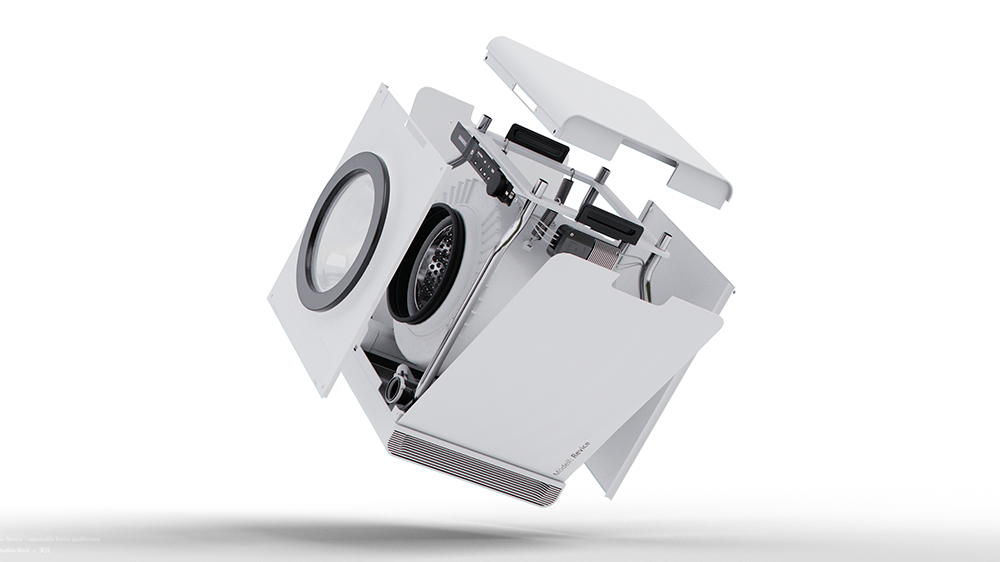
The washing machine consists primarily of three key parts: the tub, the agitator, and the motor.
The tub serves as the cleaning chamber where clothes are submerged in water. The agitator, resembling a paddle, facilitates the movement of clothes within the tub, ensuring thorough cleansing. The motor, acting as the powerhouse, drives the entire machine and aids in spinning the clothes to dryness.
Each of these components is indispensable for the washing machine to operate correctly. The absence of any one would render the machine ineffective.
Utilizing the various modes available, you can effortlessly customize the wash type according to the fabric of your clothes.
For further insight, here's an overview of all the essential parts of a washing machine you ought to know.
Varieties of Washing Machines
Washing machines exhibit diversity in shapes, sizes, and hues. However, their classification into distinct types, each with its unique advantages and disadvantages, is more crucial. The two prominent types commonly found are top-loading and front-loading washing machines.
Top-loading washing machines are the most prevalent. They are typically the most budget-friendly and user-friendly options. Nonetheless, they can be inefficient, often demanding substantial amounts of water and energy for operation.
Front-loading machines constitute another popular choice. Although more expensive than top-loaders, they are significantly more efficient, consuming less water and energy.
Portable washing machines are also available in the market. These compact devices can be readily moved from one place to another, making them ideal for small apartments or homes with limited space. While they typically use less water compared to larger models, they may struggle with handling large volumes of laundry.
Various washing machines offer different features and come at different price points. Even a budget-friendly machine can clean your clothes, but more expensive ones provide numerous options and methods for doing so.
Operating a Washing Machine
A washing machine's fundamental task is to efficiently clean and dry your clothes. As a highly convenient appliance, it should be an essential part of every bustling household where time is a precious commodity.
For those new to using washing machines, understanding how they work and operate can be immensely helpful. Once you have gathered your pile of dirty clothes and a capable, efficient washer, here's what you need to do:
· Ensure that your washing machine can accommodate the load you are adding to its drum. For instance, if your machine can handle 8kg of clothes, avoid overloading it. If you have more clothes to wash, simply divide them into batches. Adding more clothes to a lower capacity machine can lead to uneven cleaning and potentially cause permanent damage to your appliance or your clothes.
· If you own a semi-automatic machine, fill the tub with water, add detergent, and then proceed to add your clothes. For automatic machines, simply set the desired timer and mode.
· Initiate the wash cycle and allow your washing machine to clean all your clothes.
· Once completed, drain the water if you're using a semi-automatic machine and transfer the clothes to the dryer.
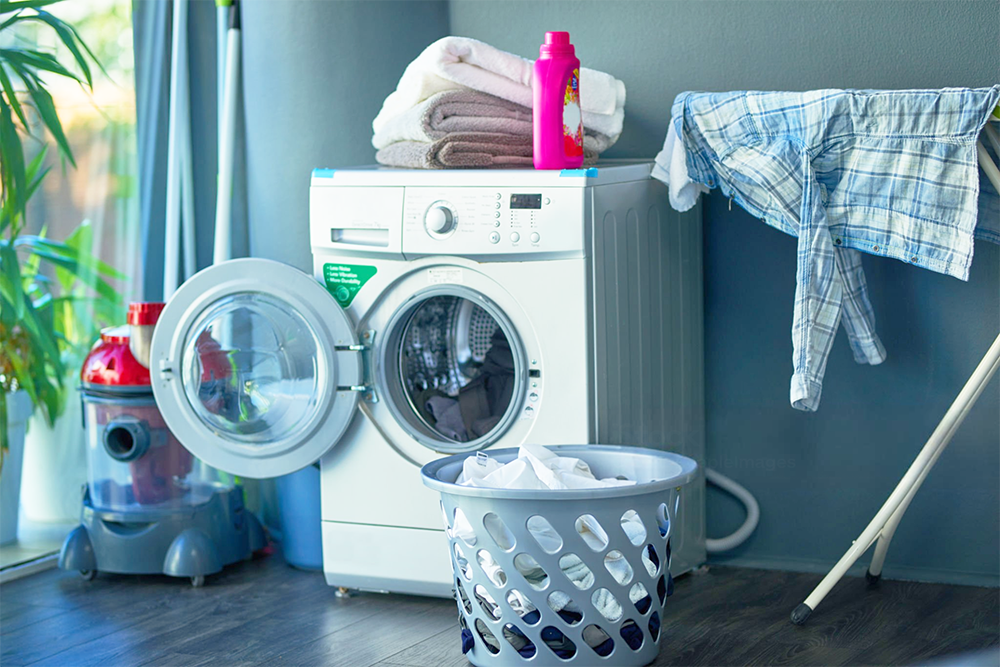
How Does a Washing Machine Operate?
Washing machines are remarkably intuitive and efficient appliances. Although several models are available in the market, each functions slightly differently from the others. Nonetheless, their fundamental operating principle and potential remain more or less the same.
Essentially, a washing machine operates using centrifugal force. The motor inside spins the agitator located at the bottom of the machine. This spinning motion causes the water and clothes inside to rotate, which in turn forces dirt and debris to be separated from the clothes, thereby cleaning them.
Understanding the function of a washing machine is relatively straightforward and doesn't require a genius. Proper use of a washing machine is crucial to prevent harm to your clothes or damage to the appliance itself.
Front Loaders versus Top Loaders
In the market, you will find two types of washing machines: top-loading and front-loading washing machines. Despite sharing a similar function, they operate quite differently. They are also constructed differently and may even offer various wash cycles.
Both types of washing machines are suitable for use without any further considerations. However, the choice ultimately boils down to your personal preferences and how you plan to set up your laundry area.
Difference in Construction
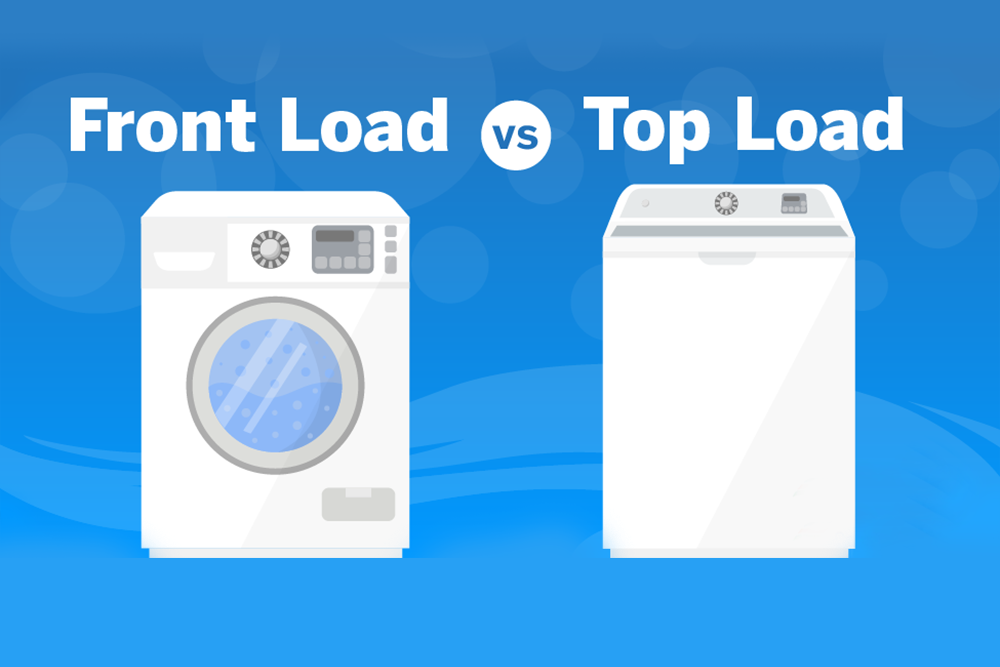
Now, let's discuss the first difference, which is the construction type. Top-loading washing machines feature a vertical drum, indicating that the tub opening is positioned at the top of the appliance. Automatic top-loading washing machines possess a single drum, whereas semi-automatic top-loading washing machines come equipped with two drums—one for washing and another for drying.
Front-loading washing machines are typically fully automatic and have a tub that is tilted on its side. This design necessitates loading your laundry through the front of the washing machine.
Final Thoughts
Purchasing a washing machine can be a challenging endeavor. With numerous factors to consider and additional features that can make the appliance more perplexing and costly, it's always beneficial to have a thorough understanding of the appliance before making a purchase.
Washing machines are actually quite straightforward appliances once you grasp their workings. If you've been curious about how washing machines operate, we hope we've addressed your questions. Understanding their function is quite simple and will undoubtedly assist you greatly when you're in the market for a new washing machine.
Choose reliable washing machine controllers at elecontro®
With more than twenty years of expertise in home appliance control, elecontro® is a professional manufacturer of washing machine controls that perfectly meet your individual requirements and preferences. elecontro®'s dynamic team of visionary engineers and designers continue to push the boundaries of home appliance control technology, ensuring we remain at the forefront of innovation.